The Capital One Savor asks almost nothing of you. It charges no annual fee and earns unlimited 3% cash back at grocery stores, on dining, entertainment, and popular streaming services, with no caps to track and no categories to activate. When a card costs $0 a year, the usual break-even math disappears - there is no fee to earn back, so the only real question is whether 3% on those categories beats what your other cards already pay.
For most people whose spending leans toward restaurants, groceries, and a few streaming subscriptions, the answer is yes: the Savor is one of the strongest no-fee cash back cards you can hold, either on its own or as the category piece of a two-card setup. The cases against it are narrow but real - superstore grocery runs, flight-heavy travel, and households chasing a higher grocery rate. This review walks through the earning structure, the fine print that trips people up, and the spending profiles that should look elsewhere.
What 3% Actually Covers
The core of the card is a wide 3% band: grocery stores, dining, entertainment, and popular streaming services all earn the same unlimited rate. On top of that, hotels, vacation rentals, and rental cars booked through Capital One Travel earn 5% cash back, and everything else earns 1%. There is no earning cap in any category and no quarterly activation.
| Category | Rate | Notes |
|---|---|---|
| Hotels, vacation rentals & rental cars via Capital One Travel | 5% | Booking must go through the portal; flights are not part of this category |
| Grocery stores | 3% | Excludes superstores like Walmart and Target |
| Dining | 3% | Restaurants, cafes, bars |
| Entertainment | 3% | Excludes golf courses, collegiate sporting events, and non-industry merchant codes |
| Popular streaming services | 3% | Some subscriptions excluded (e.g., audiobooks, fitness programming) |
| Everything else | 1% | No cap |
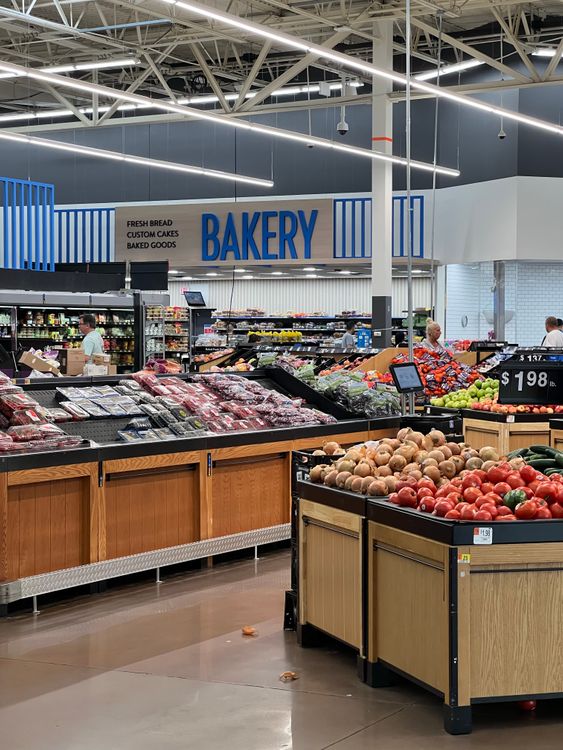
The exclusions are where cardholders get surprised. Capital One defines the grocery category as grocery stores excluding superstores like Walmart® and Target® - so a full cart rung up at either earns 1%, not 3%. Entertainment has its own carve-outs, and streaming excludes some subscription types, such as audiobook services and fitness programming. If a warehouse club or superstore handles most of your food budget, the Savor is the wrong grocery card; our guide to grocery credit cards covers setups that fit that pattern.
The Math With No Fee to Beat
Because the Savor costs nothing to hold, comparing it to other cards is pure opportunity cost. The benchmark that matters is a flat-rate card earning 2% on everything: the Savor wins by one cent per dollar in its 3% categories and loses by one cent everywhere else. So the card earns its slot in your wallet if your category spending is meaningful - and it never charges you for a slow year.
| Monthly category spend | Savor at 3% | Flat 2% card | Savor advantage |
|---|---|---|---|
| $300 | $108 | $72 | $36 |
| $600 | $216 | $144 | $72 |
| $1,000 | $360 | $240 | $120 |
A household that runs $600 a month through restaurants, grocery stores, and streaming picks up about $72 a year over a flat 2% card - from a card that costs nothing. That is the whole pitch: modest, guaranteed, effort-free. The numbers above count only the 3% categories; if you also book the occasional hotel or rental car through Capital One Travel at 5%, the gap widens.
The one-line test
Multiply your monthly dining, grocery, entertainment, and streaming spend by 12, then by 0.01. That is roughly what the Savor earns you per year over a flat 2% card. There is no fee to subtract - if the number is worth a card slot to you, get it.

The $200 Bonus, Intro APR, and Travel-Friendly Fine Print
Capital One currently advertises a $200 cash bonus after spending $500 on purchases within the first three months - one of the lowest spending requirements on any welcome offer, reachable with a few weeks of normal grocery and dining spend. Offers change and can vary by applicant, so confirm the current terms on the issuer page before applying.
New cardholders also get a 0% intro APR window on purchases and balance transfers for 12 months. And unusually for a no-fee cash back card, the Savor charges no foreign transaction fees, so the 3% dining rate keeps working at restaurants abroad. Note that different versions of the card exist for different credit profiles - the bonus and APR terms above apply to the standard version for good-to-excellent credit.
The Two-Card Play: Savor Plus a Miles Card
The Savor covers its categories so well that many cardholders treat it as one half of a pair. Capital One’s own Venture X earns 2X miles on every purchase, charges a $395 annual fee, and transfers miles to more than 15 travel loyalty programs - a natural complement: the Savor handles dining, groceries, entertainment, and streaming at 3%, while the miles card covers everything else at double the Savor’s 1% base rate.
Whether that pairing beats an all-cash-back setup depends on how you value flexible miles against simple cash - a trade-off we work through in points vs. cash back and in our credit card combo strategy guide. The short version: cash is simpler and never devalues; transferable miles can be worth more if you actually book award travel.
Where the Savor Loses
Three spending profiles should look past this card. First, superstore and warehouse shoppers: the grocery exclusion means Walmart and Target earn 1%, which guts the card’s headline category for a large share of American grocery spending. Second, heavy grocery households willing to pay an annual fee - some fee-carrying grocery cards publish rates well above 3%, and at high monthly spend the extra earnings outrun a typical fee even after paying it. Third, flight-first travelers: the Savor’s 5% travel category covers hotels, vacation rentals, and rental cars booked through Capital One Travel, but not flights, and the card carries no travel credits or lounge access.
The other honest criticism is that the Savor is thin on perks. It is an earning card, not a benefits card - no annual credits, no status, minimal insurance coverage compared with premium travel cards. That is the correct trade at $0 a year, but if you want your card to do more than earn, this is not where that comes from.
Get It or Skip It?
Get it if restaurants, grocery stores (actual grocery stores, not superstores), and streaming are steady line items in your budget. An unlimited 3% across all of those, with no annual fee, no caps, no activation, and no foreign transaction fees, is about as low-maintenance as rewards earning gets - and the $200 bonus on $500 of spending is nearly automatic for anyone who qualifies. It works alone, and it works even better as the category half of a two-card setup.
Skip it if your food spending happens at Walmart, Target, or a warehouse club, or if you would rather concentrate spending on one flat-rate card and forget categories entirely. And as always: rates, exclusions, and offers change - verify the current terms on Capital One’s site before you apply.
Frequently Asked Questions
No. Capital One’s official category terms exclude superstores like Walmart and Target from the grocery category, so purchases there earn the 1% base rate.
Neither. The card has a $0 annual fee and charges no foreign transaction fees on purchases made outside the United States, which makes it a reasonable card to carry when traveling - its 3% dining rate applies at restaurants abroad as well.
The 5% rate applies only to hotels, vacation rentals, and rental cars booked through the Capital One Travel portal. Travel booked directly with a hotel or rental agency earns 1%, and flights are not part of the 5% category at all.
It is one of the easiest offers to complete: $200 after $500 in purchases within three months works out to about $167 a month of spending. A typical grocery and dining budget clears it without any planning. Confirm the current offer on the issuer page, as terms can change.